 English
 中文简体
 Español
 Deutsch
+86 151 5760 7665
Nov 13, 2026
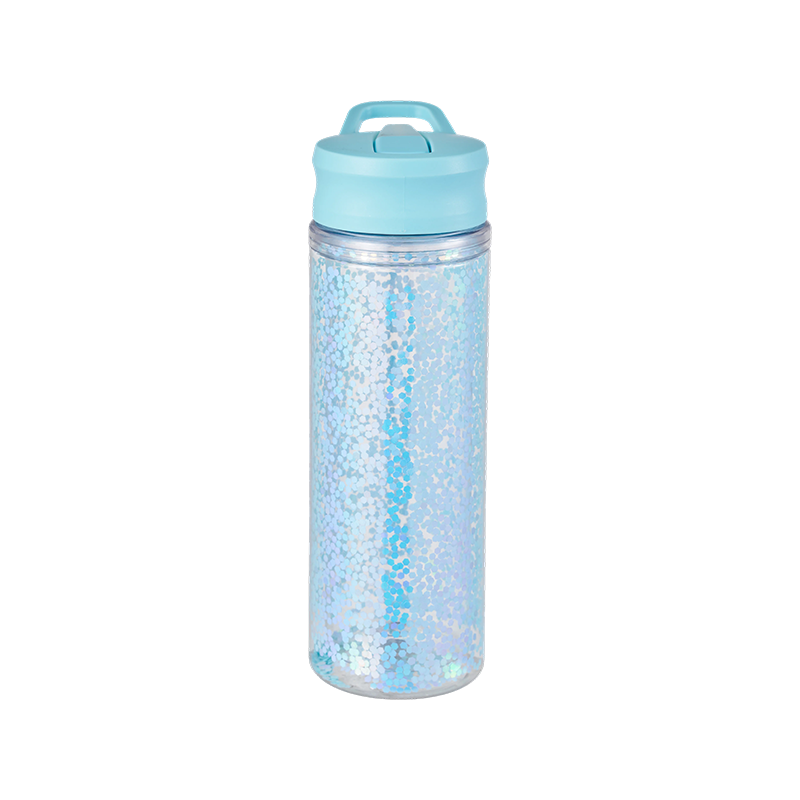
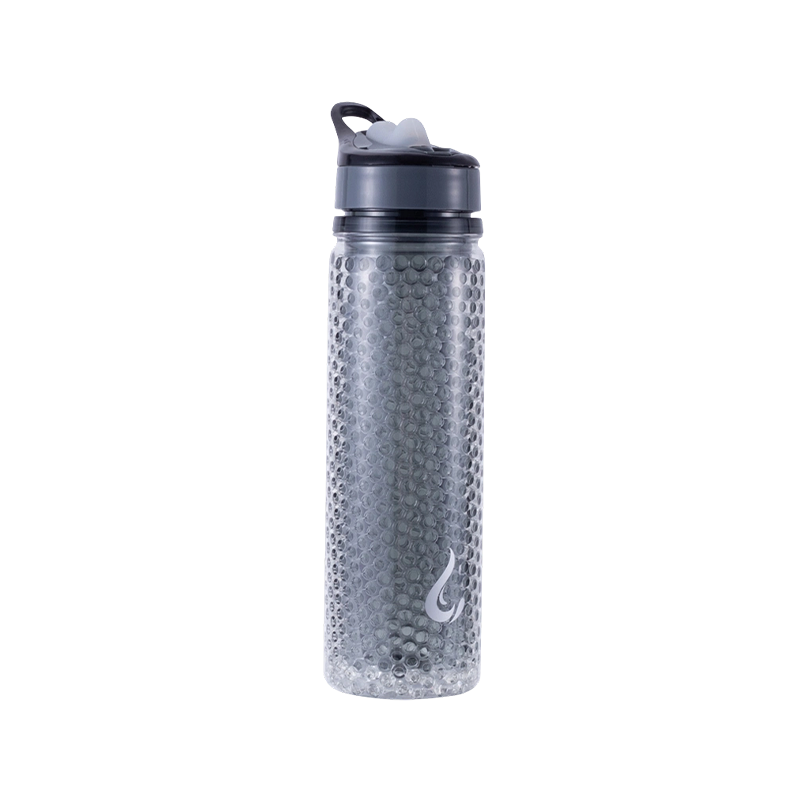
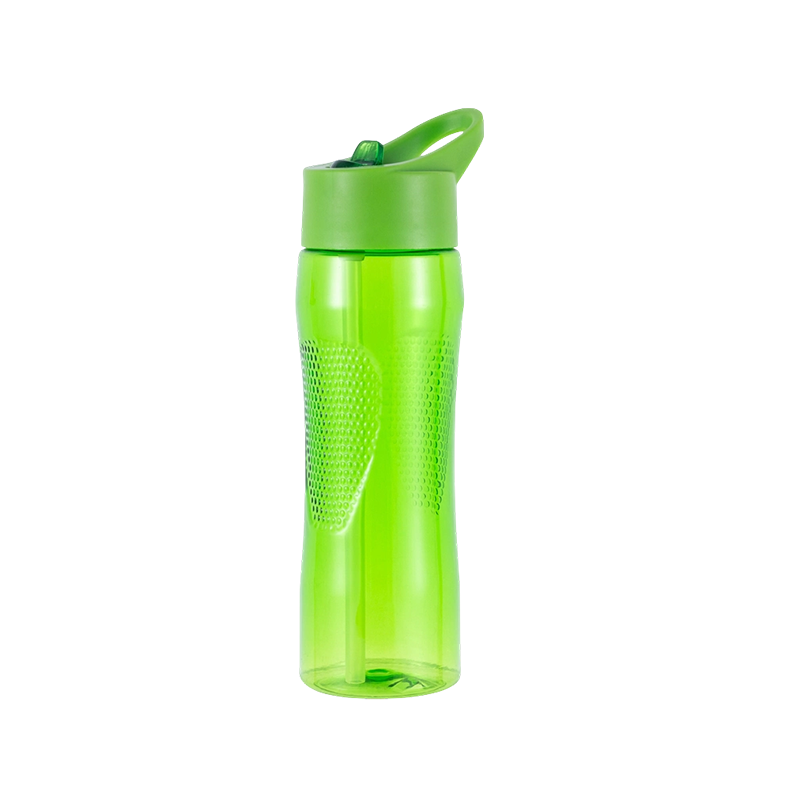
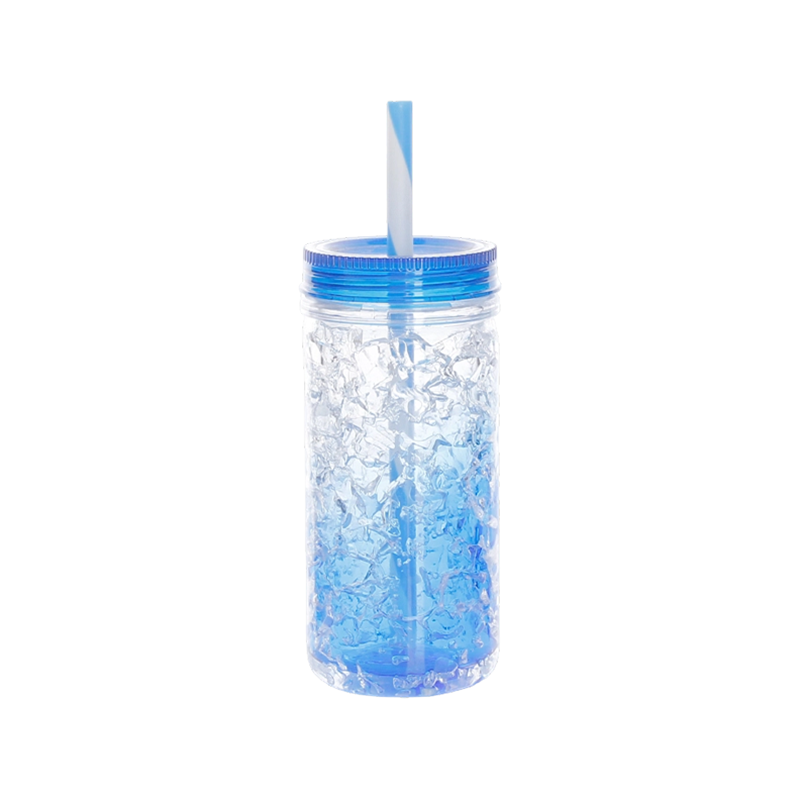
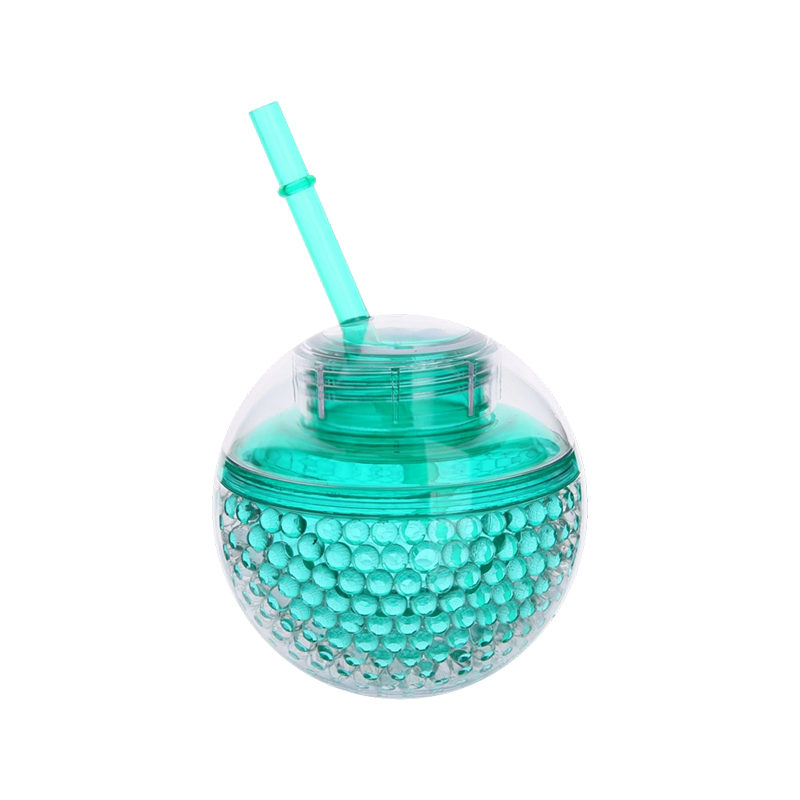
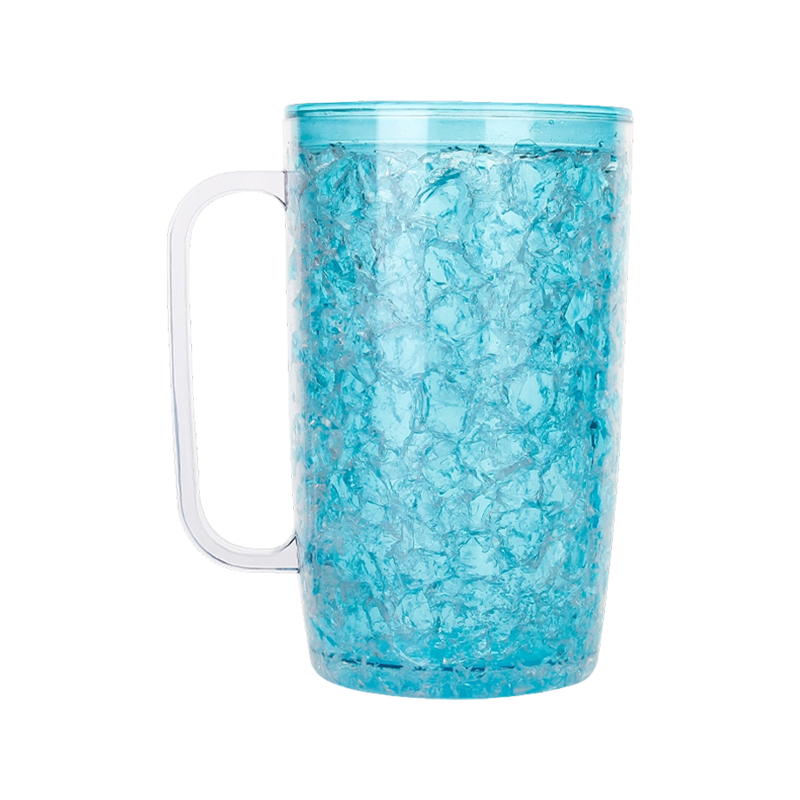
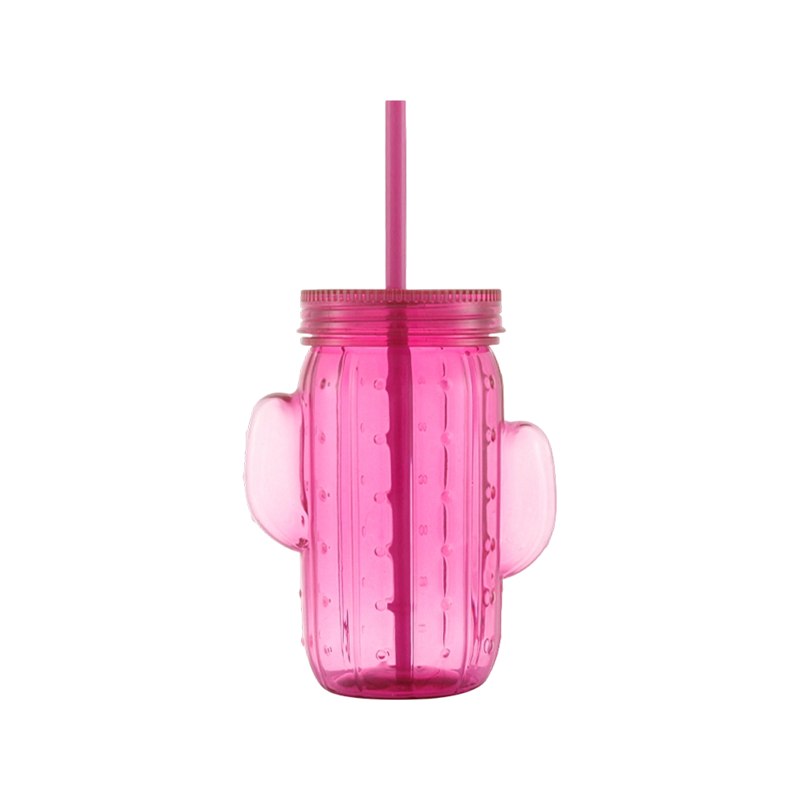
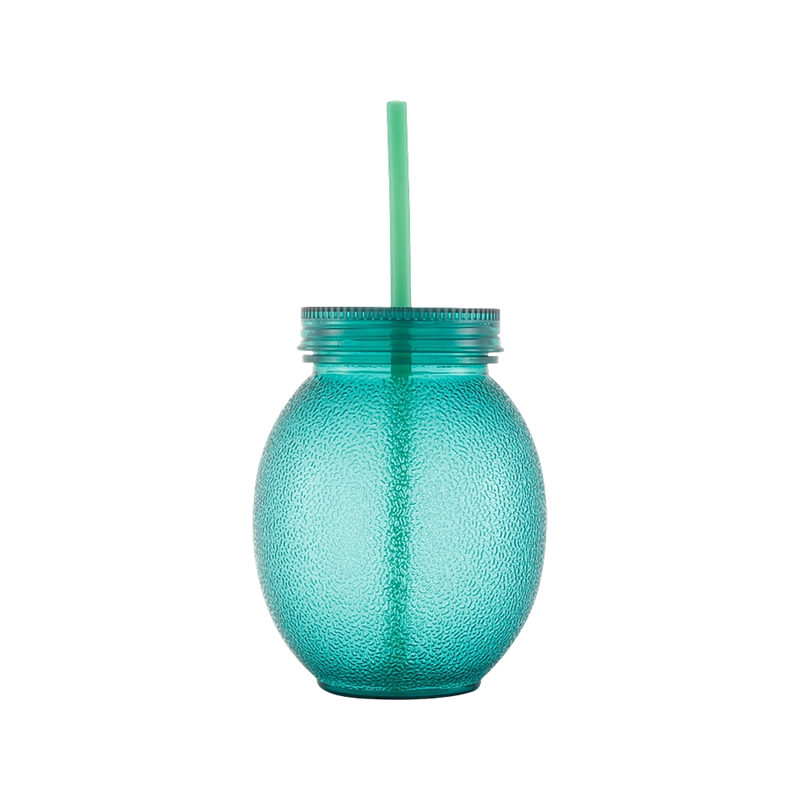
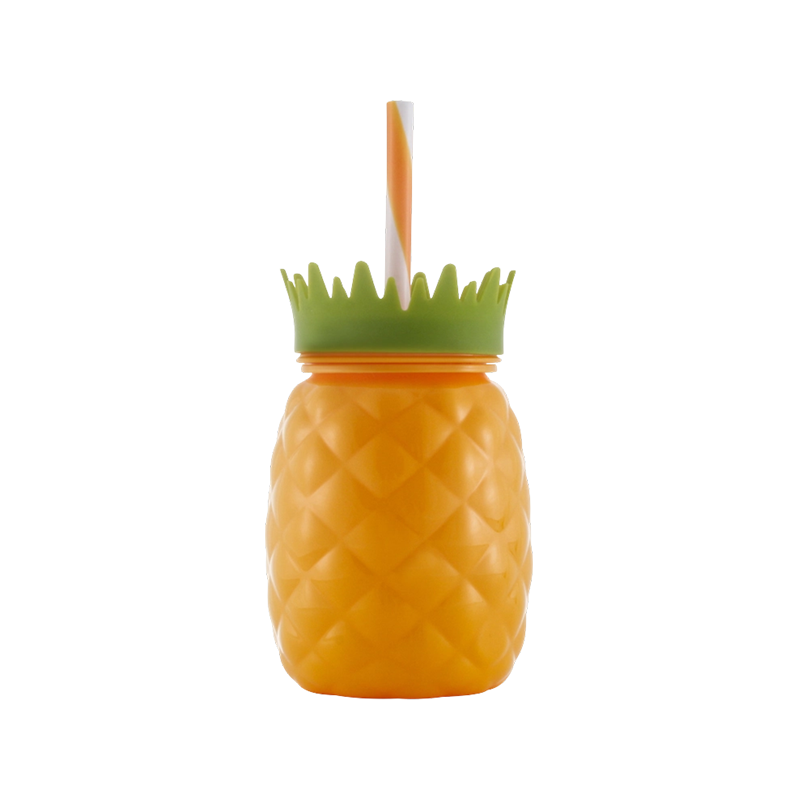
Retail drinkware collections often compete for attention through color, shape, logo placement, and decorative finishes. However, surface texture can also influence how customers recognize and remember a product. A tumbler with raised geometric patterns, subtle grooves, or embossed details can create a different visual impression from a conventional smooth-body design, even when both products share similar dimensions and colors.
At Dafu, we consider surface texture an important part of customized drinkware development. A Patterned Texture Tumbler can support a brand's visual identity through its surface structure, while also creating opportunities for distinctive retail collections. Buyers should evaluate more than the pattern itself. Its relationship with logo decoration, product colors, packaging, and manufacturing consistency deserves attention during the purchasing process.
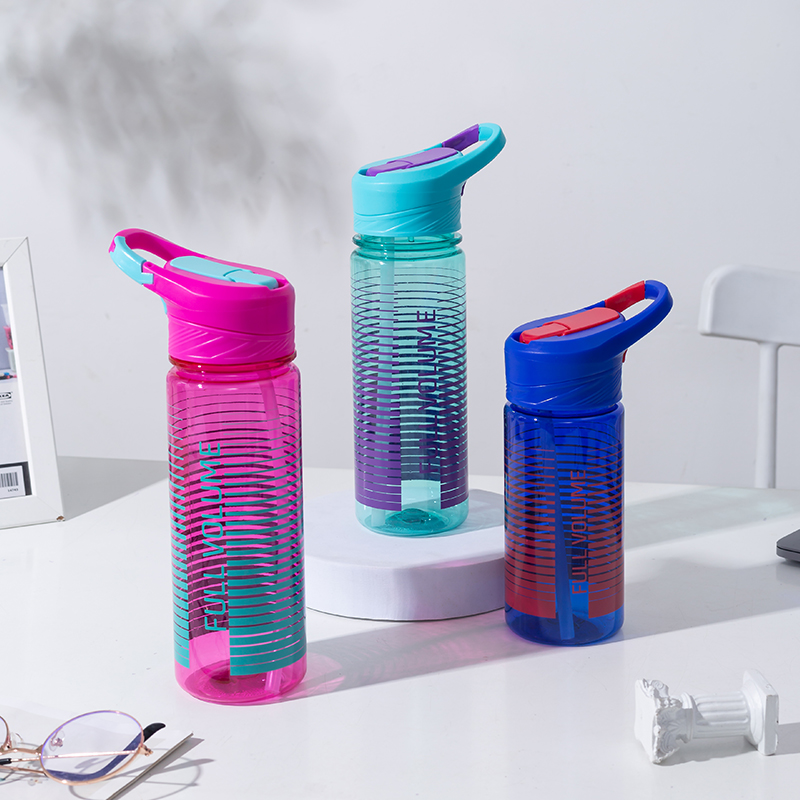
A recognizable product design does not always depend on a large printed logo. The physical structure of a tumbler can provide visual cues that distinguish one collection from another.
Several texture styles offer different design possibilities:
For retailers, the important consideration is whether the selected pattern fits the overall brand identity. A playful geometric surface may suit gift collections, while regular grooves or restrained embossed details may work better for office and everyday drinkware ranges.
Surface design influences both visual presentation and the physical experience of handling drinkware. A raised pattern creates differences in light reflection and shadow, making the body look different under retail lighting. It can also change how the tumbler feels during handling.
Buyers should consider three aspects:
At Dafu, we recommend reviewing the physical sample under both direct and ordinary indoor lighting. Product photographs alone may not accurately represent pattern depth, surface reflection, or tactile characteristics.
One purchasing issue deserves particular attention: textured surfaces can affect the available area for brand decoration. A logo printed across deep grooves or raised geometric details may have uneven edges or reduced visual clarity.
Several approaches can help coordinate branding with surface patterns:
Screen printing, transfer printing, and other decoration processes have different surface requirements. The appropriate method depends on the tumbler material, coating, pattern geometry, and artwork. We suggest confirming logo position and decoration results during sample approval instead of relying exclusively on digital mockups.
A distinctive appearance needs to remain consistent across the approved sample and subsequent production batches. Buyers developing private-label drinkware should establish measurable inspection points.
Our suggested review includes:
Buyers should also confirm whether the pattern is molded into the tumbler body or created through a separate surface treatment. These production approaches involve different tooling, finishing, and quality inspection considerations.
At Dafu, we understand that wholesalers, importers, and private-label brands may have different expectations for product appearance and market positioning. Some projects require a distinctive geometric pattern, while others focus on subtle surface details that complement an existing brand identity.
To help clarify customization requirements, we recommend providing the following information:
These details allow our team to assess the relationship between surface design, decoration requirements, and production arrangements. Sample evaluation can then provide a clearer reference for confirming the final appearance and quality expectations.
Texture can give drinkware a visual and tactile identity beyond its basic shape and color. However, a successful retail design requires coordination between pattern geometry, logo placement, material selection, finishing, and production quality.
At Dafu, we welcome inquiries from drinkware distributors, retailers, and brands interested in customized tumbler designs. Share your preferred pattern references and branding requirements with our team to discuss suitable product configurations and sampling options. A clearly defined surface design can become a consistent visual element across an entire drinkware collection.
Get In Touch
+86 151 5760 7665
sales6@zjdafu.com
+86 576 8421 3288
Address:
No. 135 Changning Road, Beiyang Town, Huangyan District, Taizhou City, Zhejiang Province, China.
