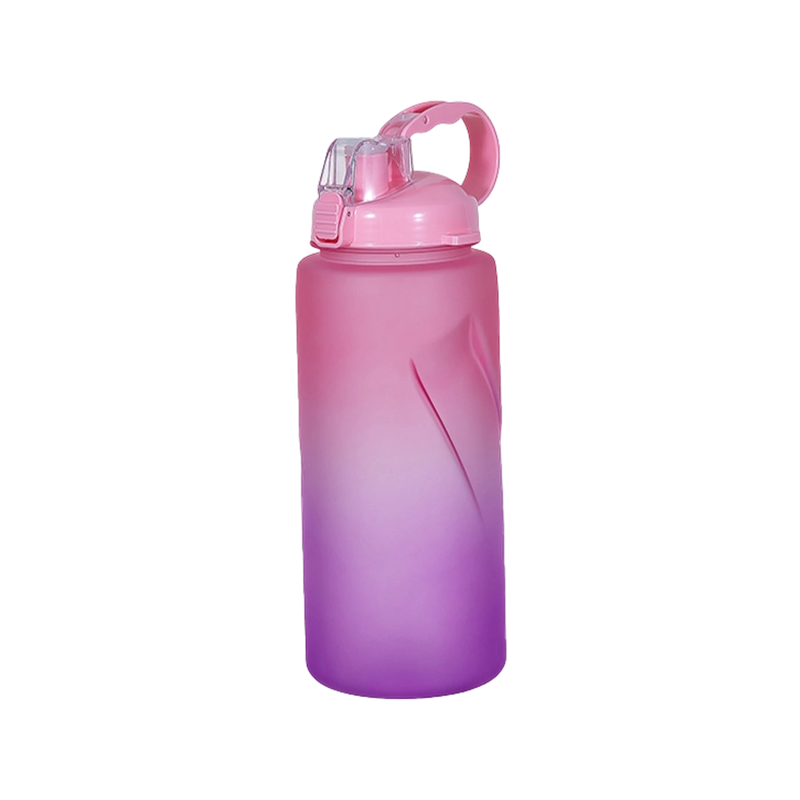
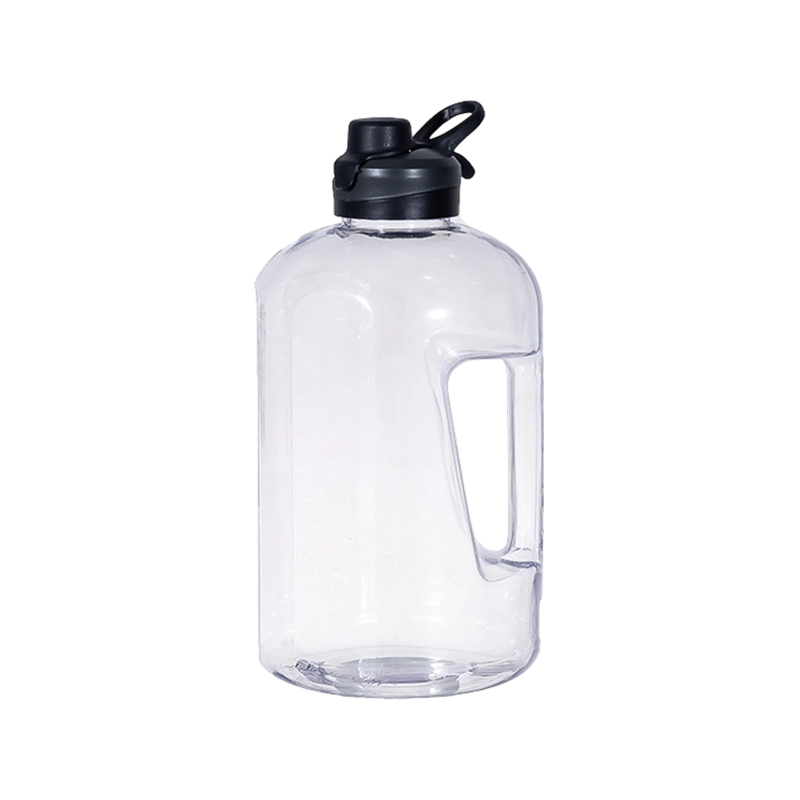
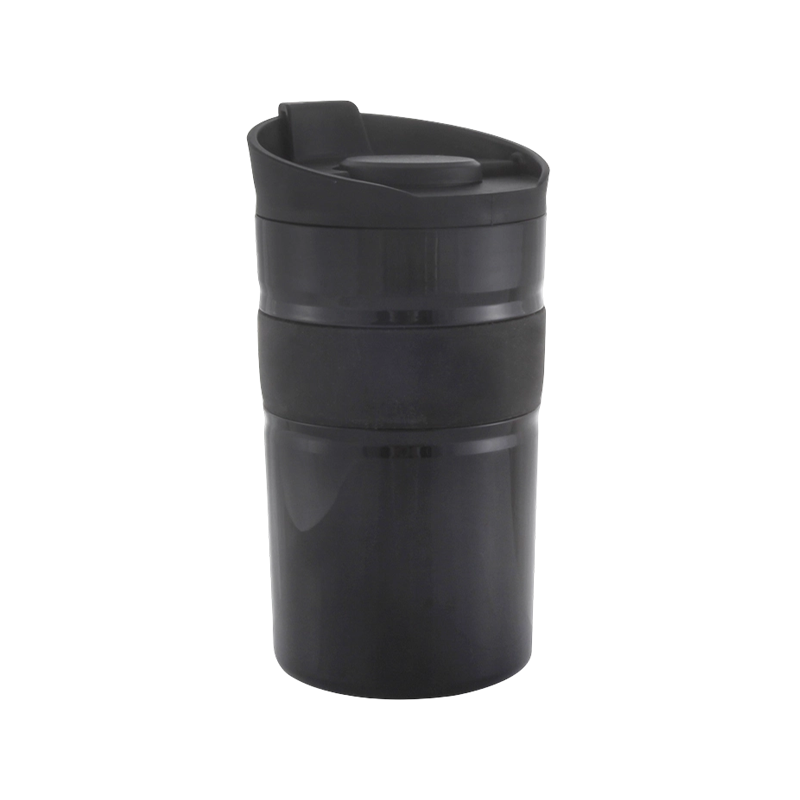
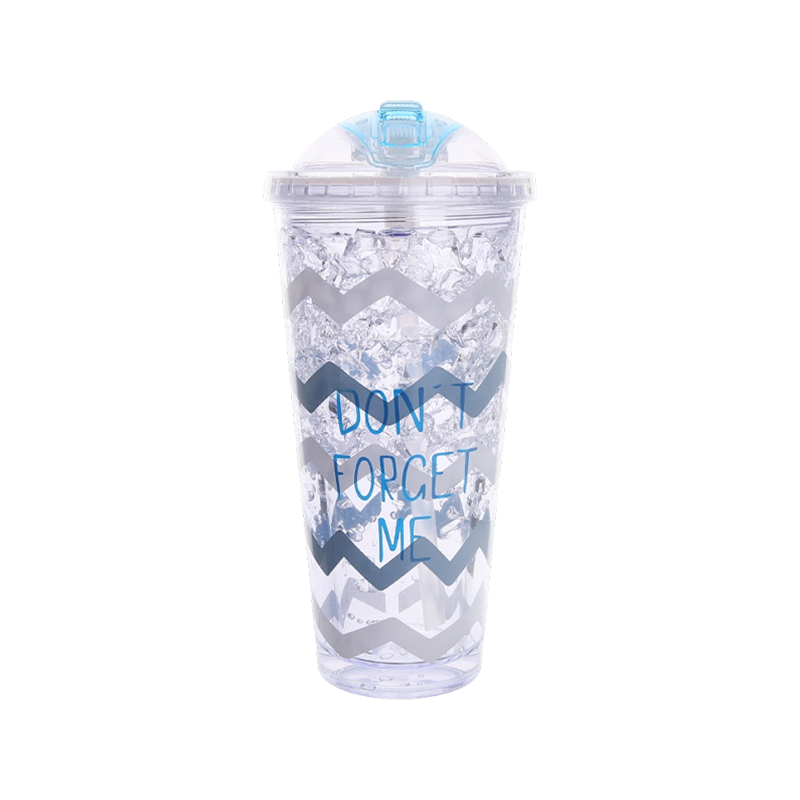
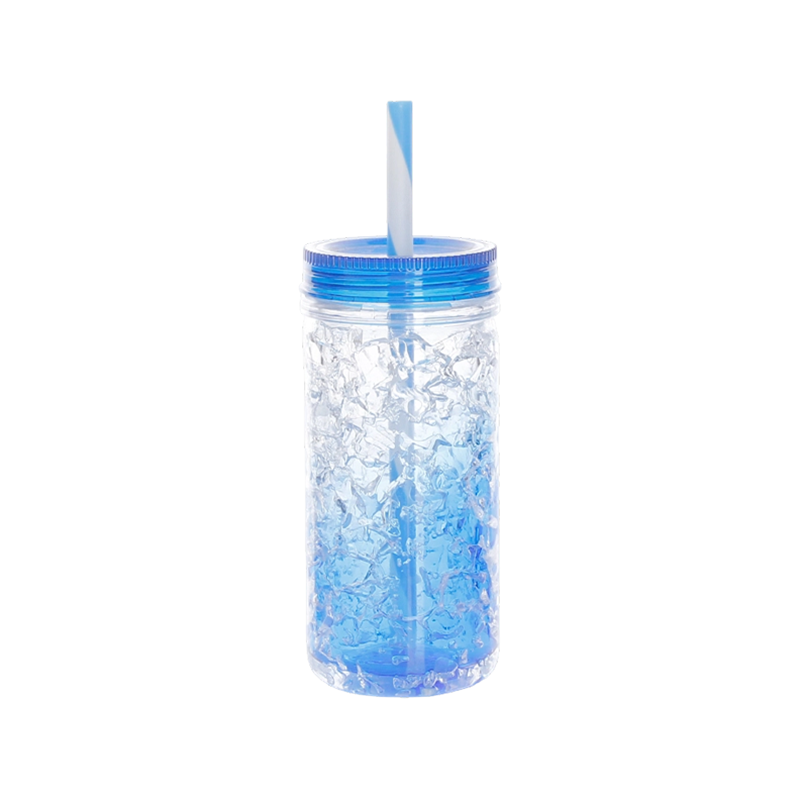
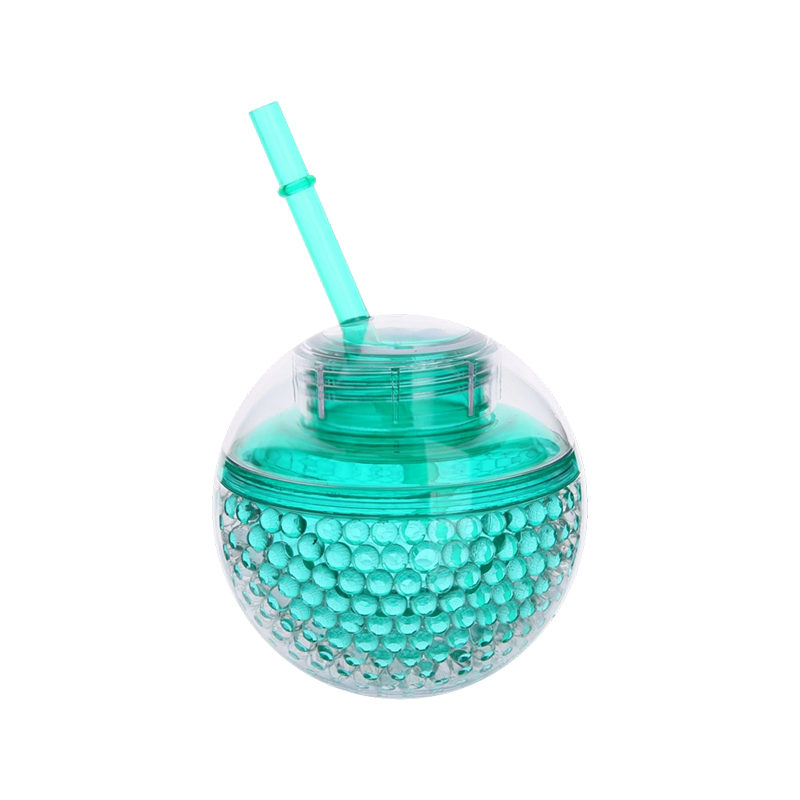
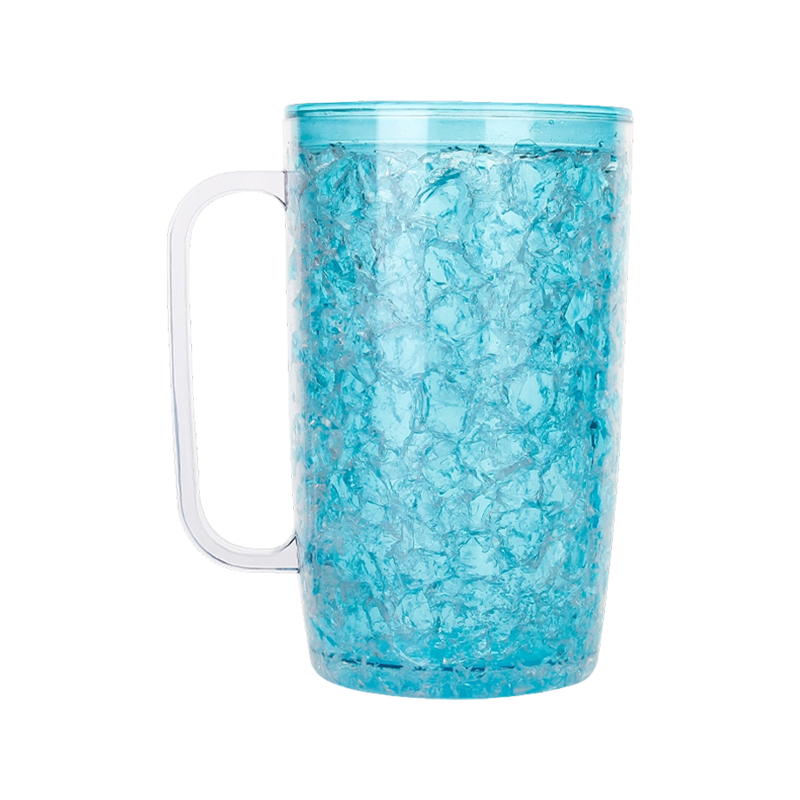
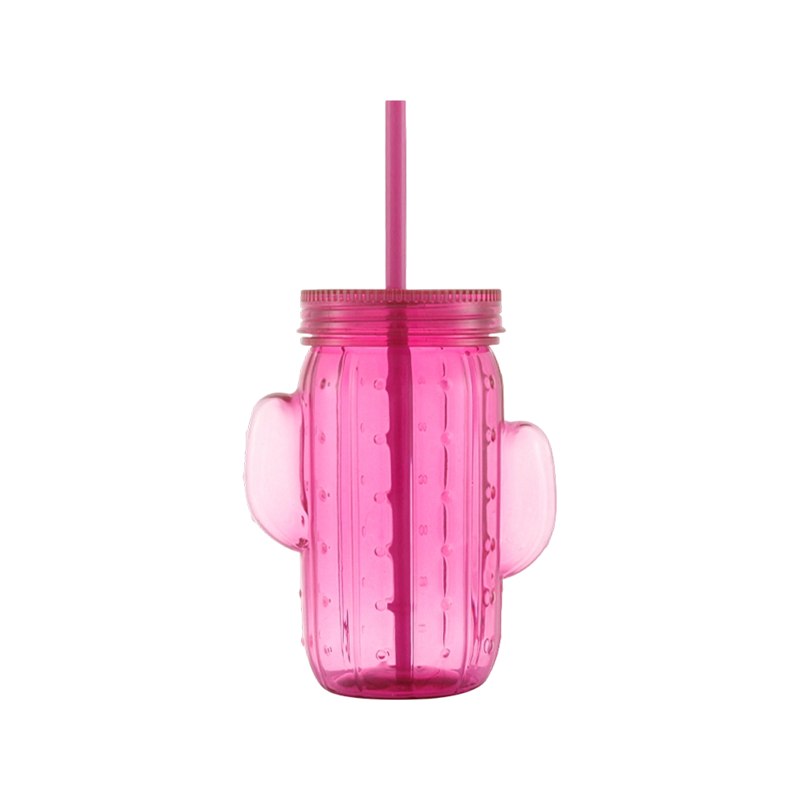
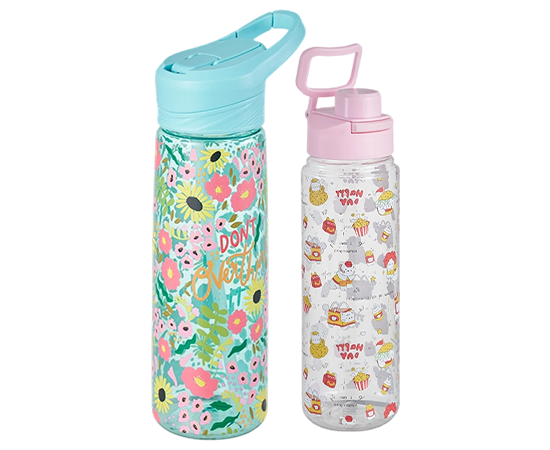
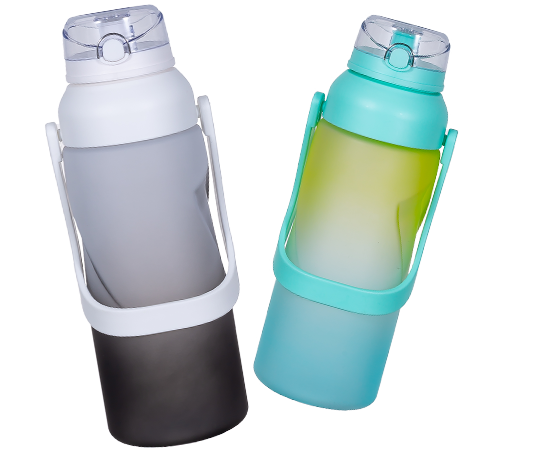
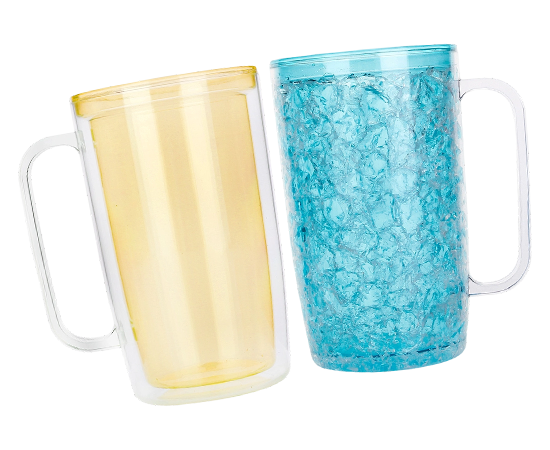
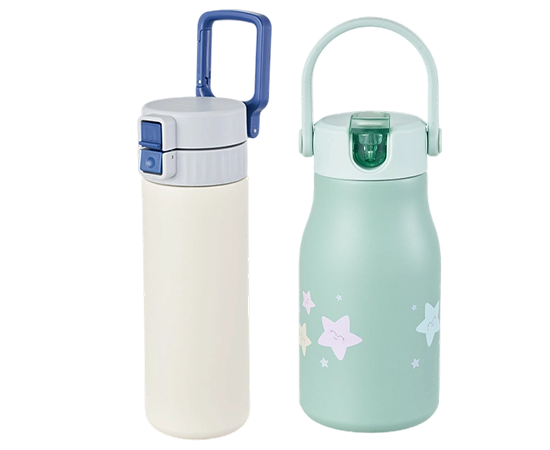
Core Advantages of

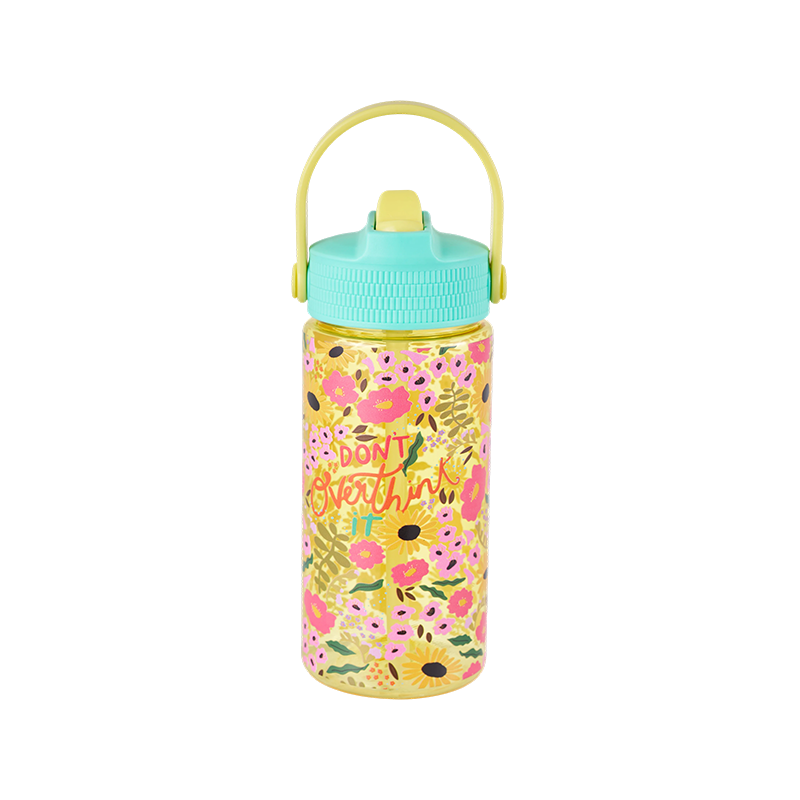
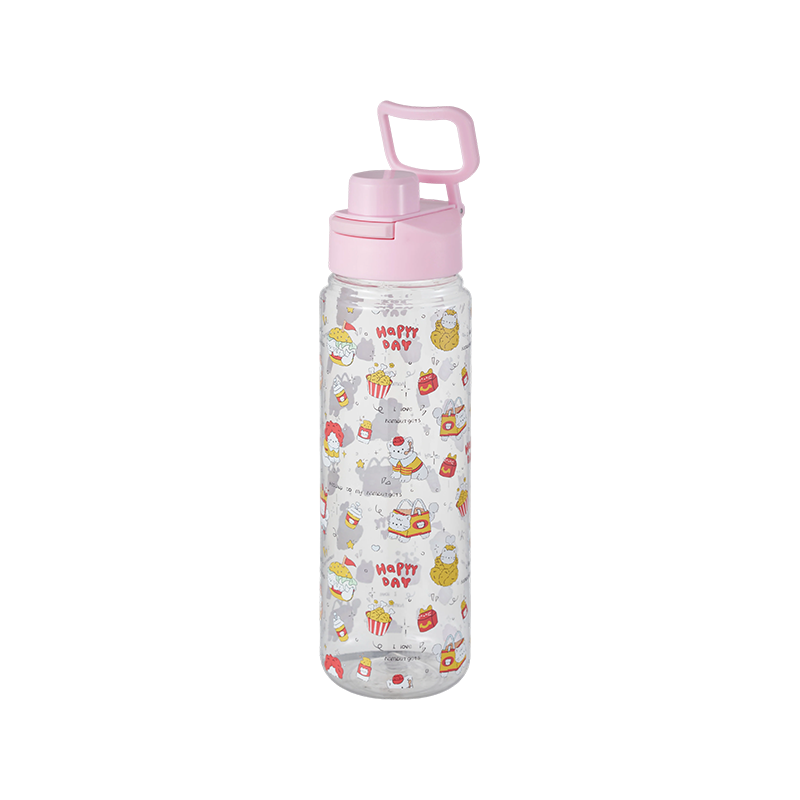
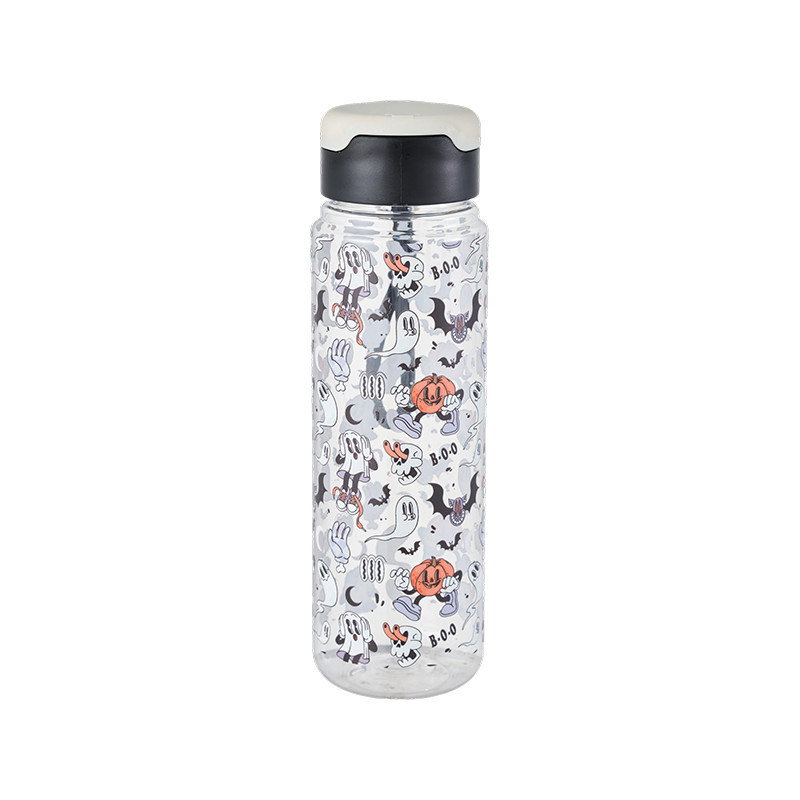
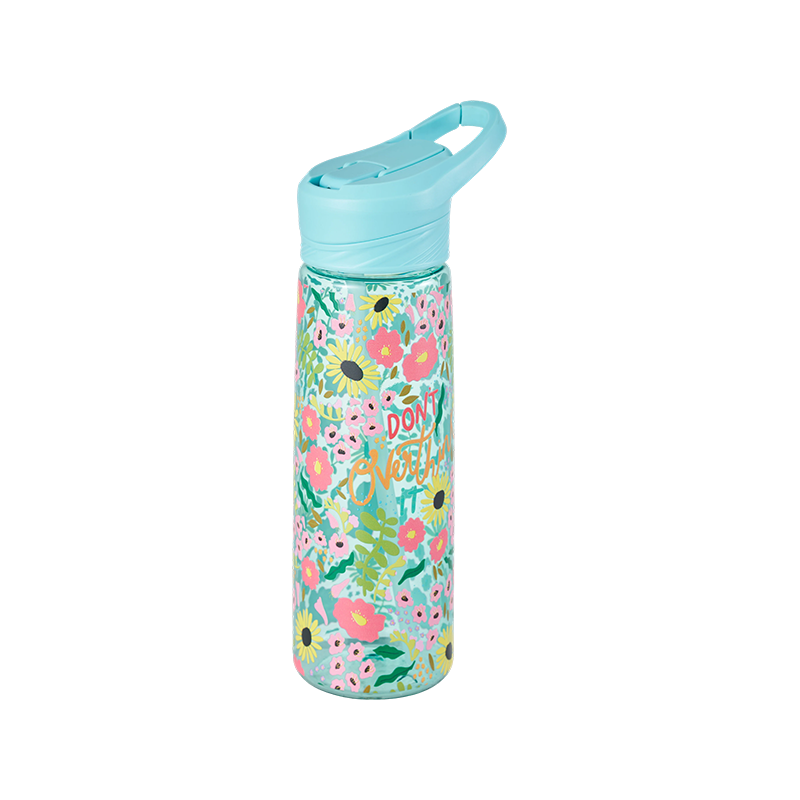
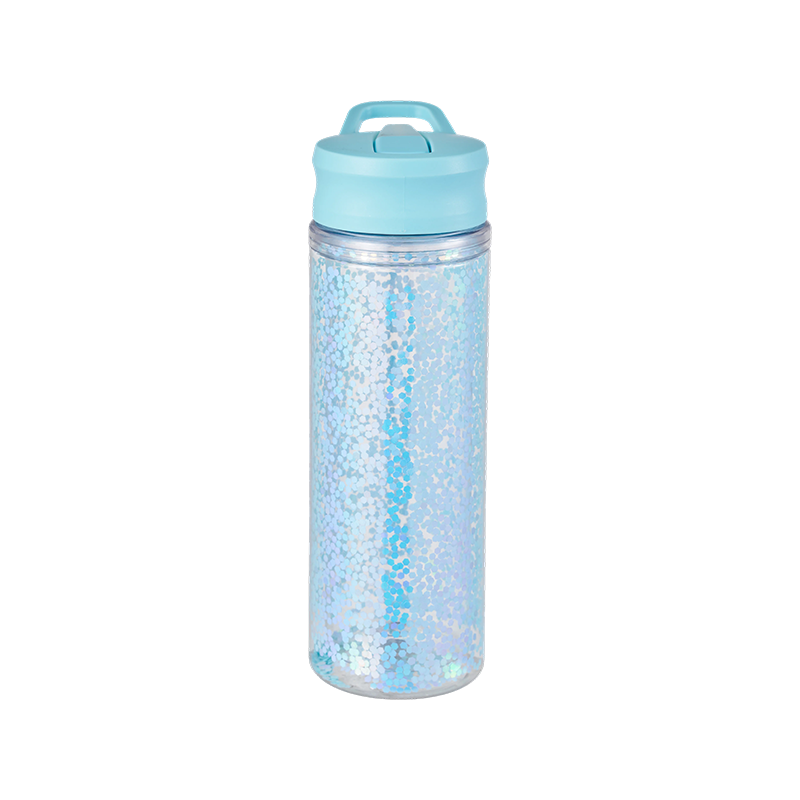
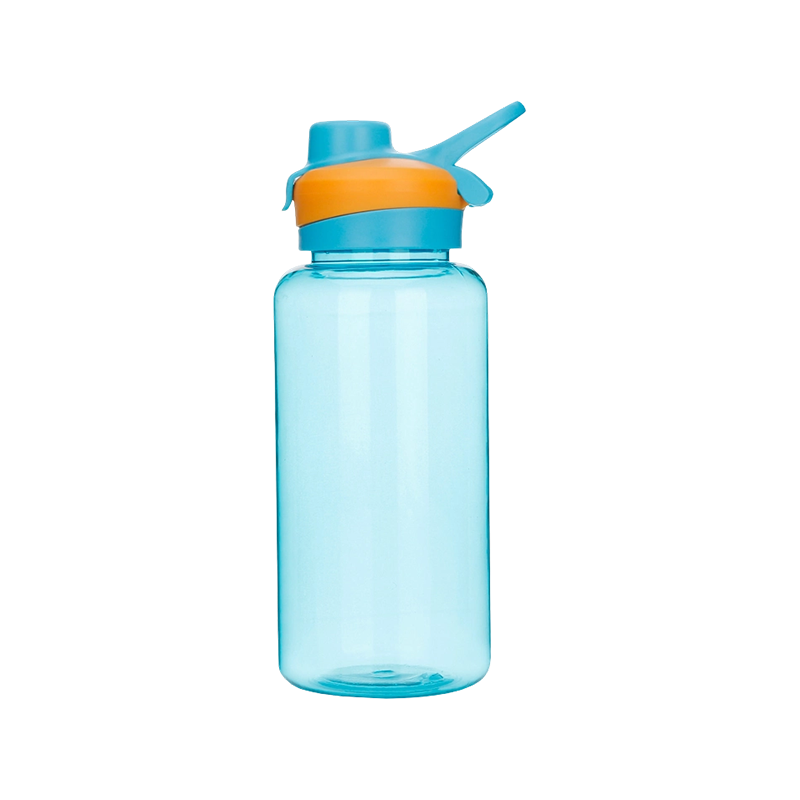
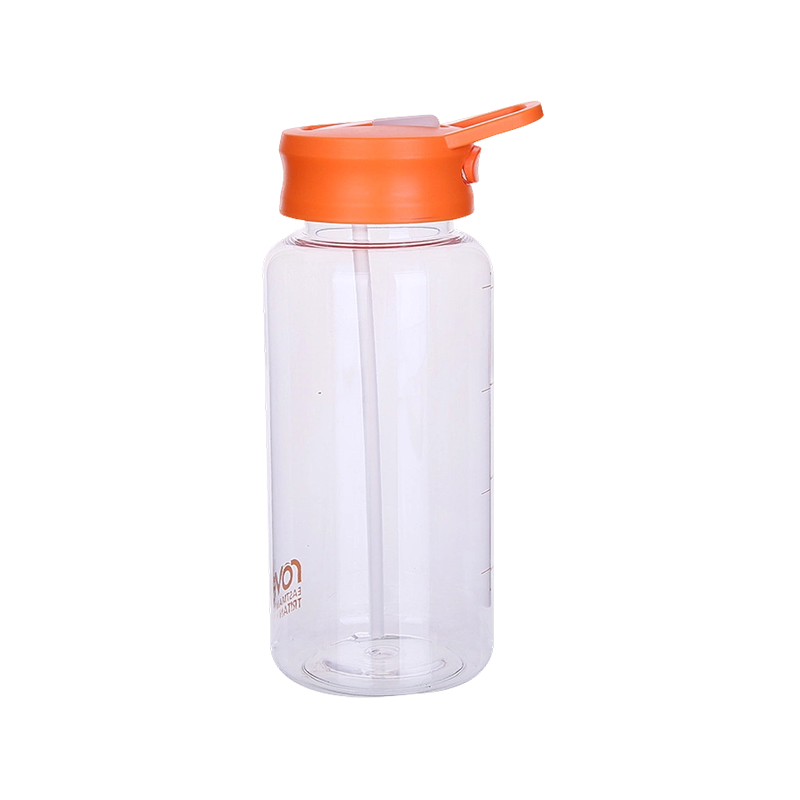
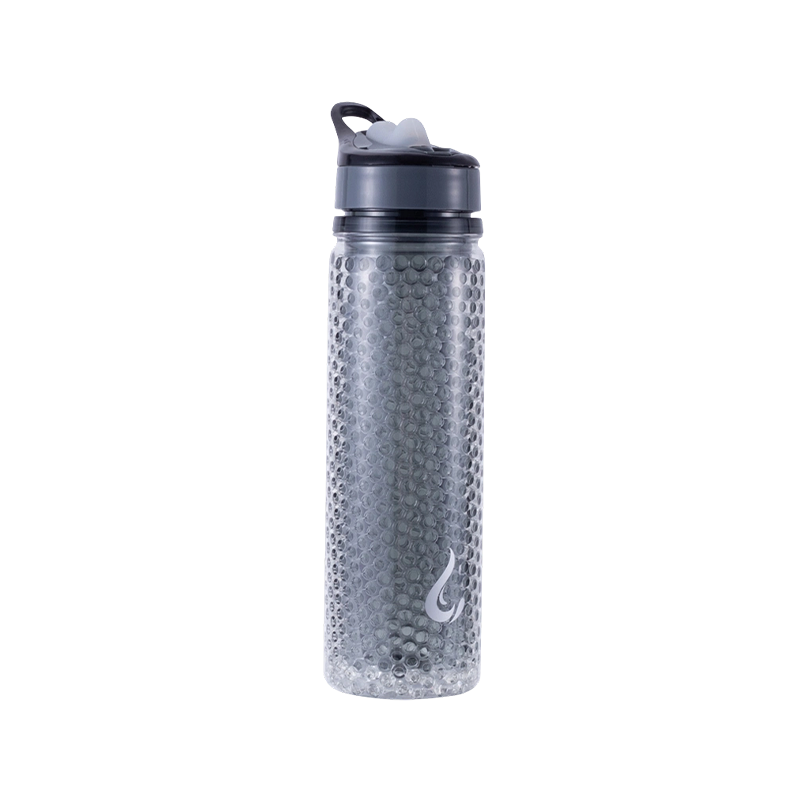
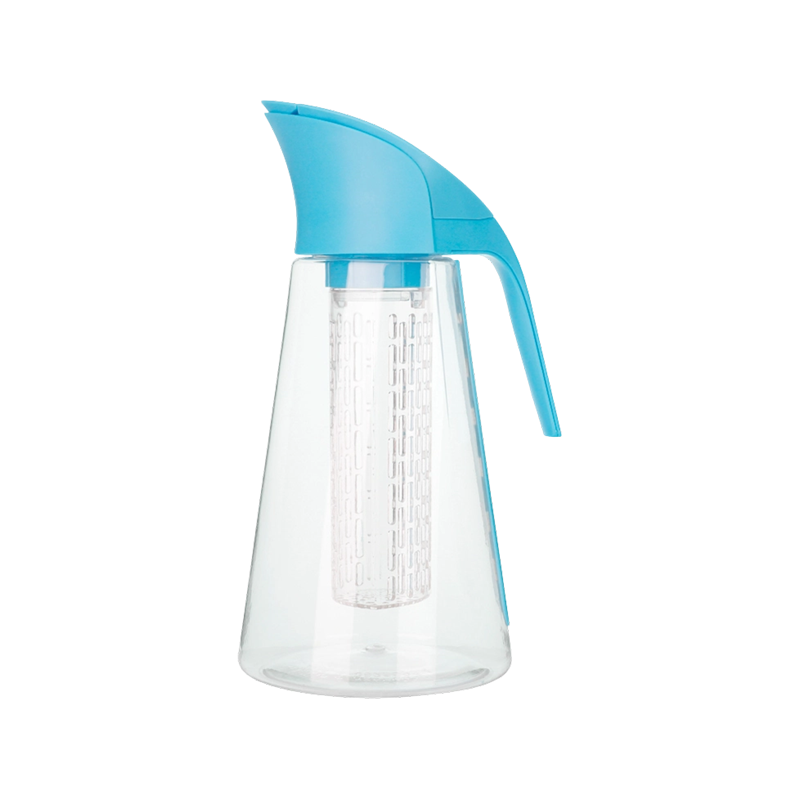
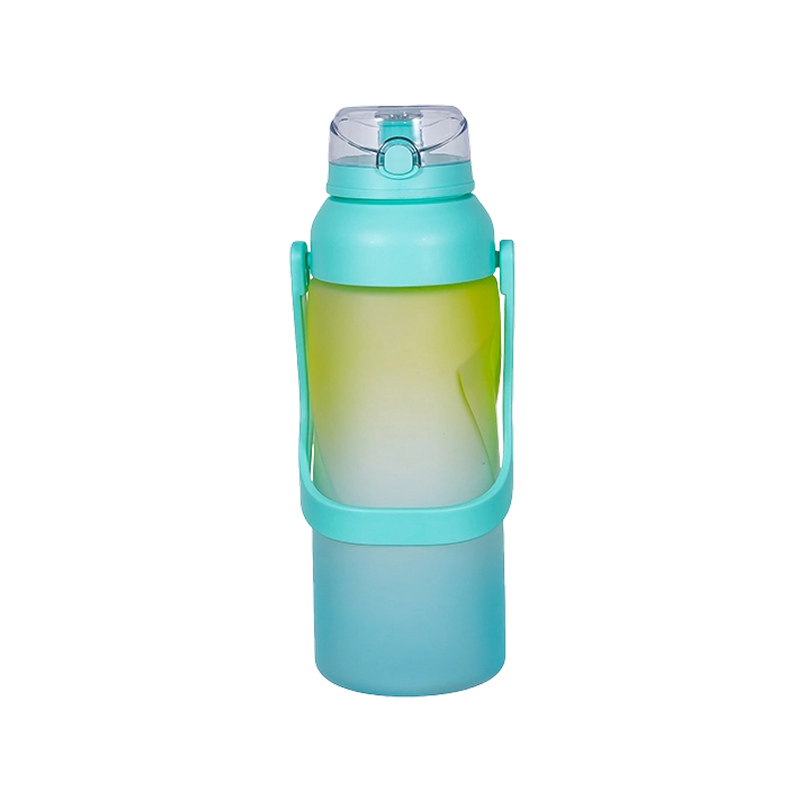
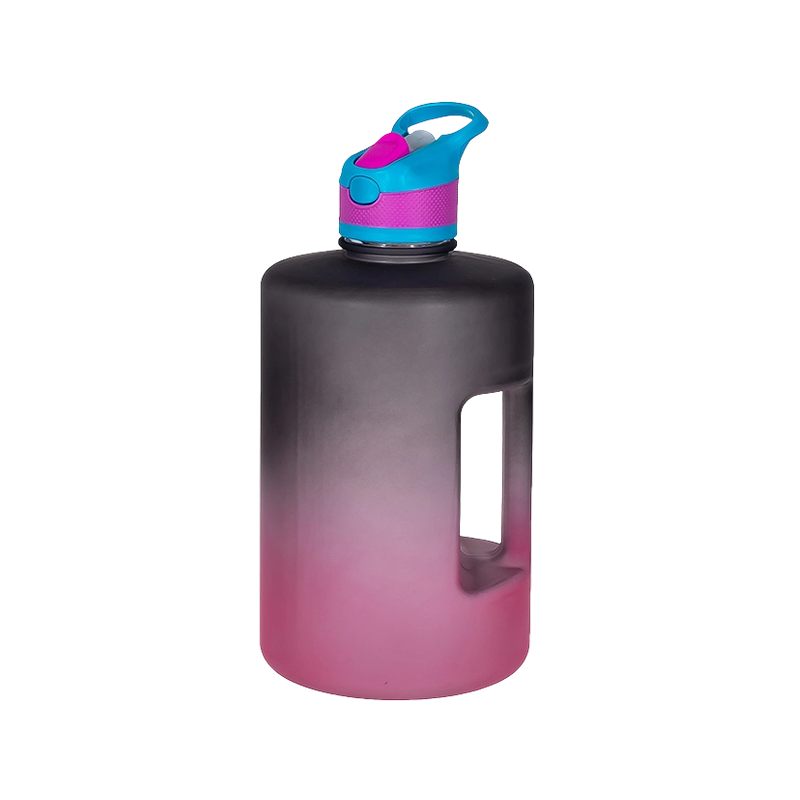
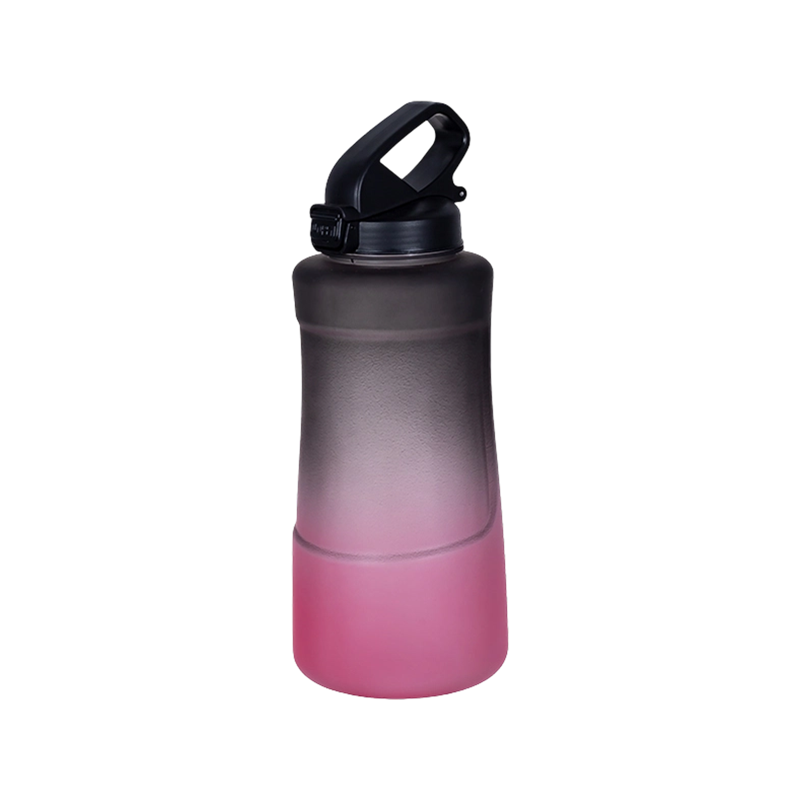
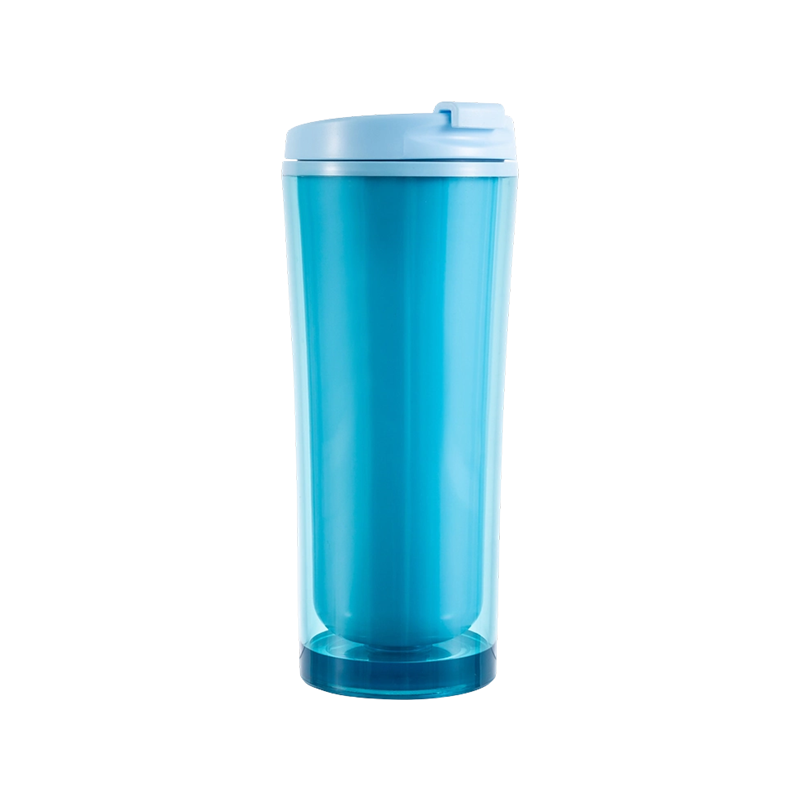
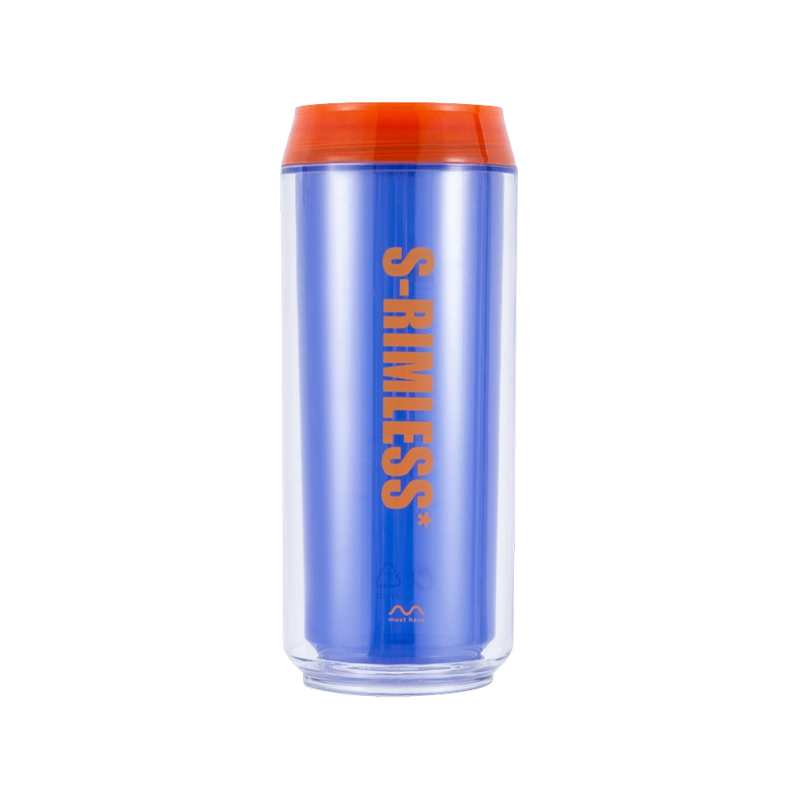
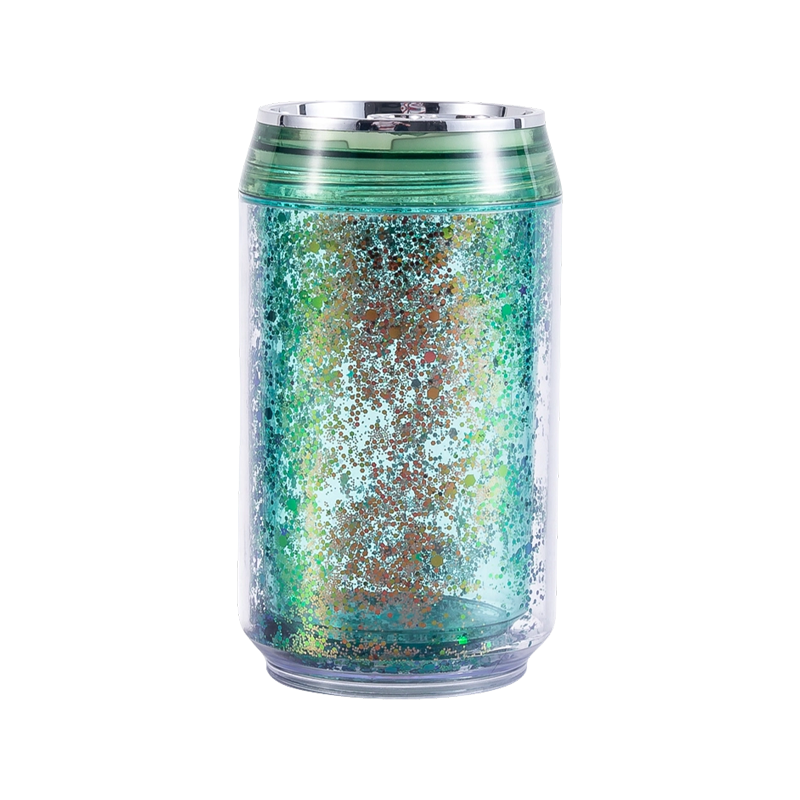
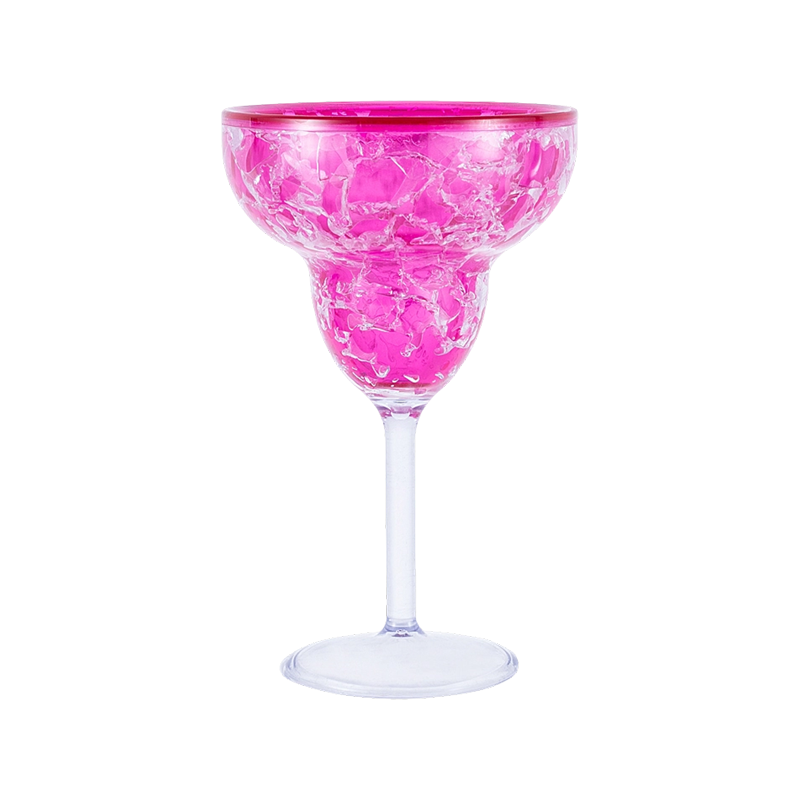
Plastic Water Bottles

  • Safe Raw Materials

    Made of food-grade and BPA-free materials, compliant with international food contact safety standards for safe drinking.

    View Products
  • International Certifications

    Pass BSCI, ISO and SMETA audits, meeting access standards for European and American markets.

    View Products
  • Flexible Customization

    Support OEM & ODM services, including custom colors, logos, packaging and new mold development.

    View Products
  • Efficient Sampling

    Fast sampling shortens confirmation cycle and accelerates project progress.

    View More Products
  • Stable Supply & Quality

    Strict quality inspection during production, reliable scheduling to realize on-time delivery.

    View Products

Safe Raw Materials

International Certifications

Flexible Customization

Efficient Sampling

Stable Supply & Quality

Professional Plastic
Products Manufacturer

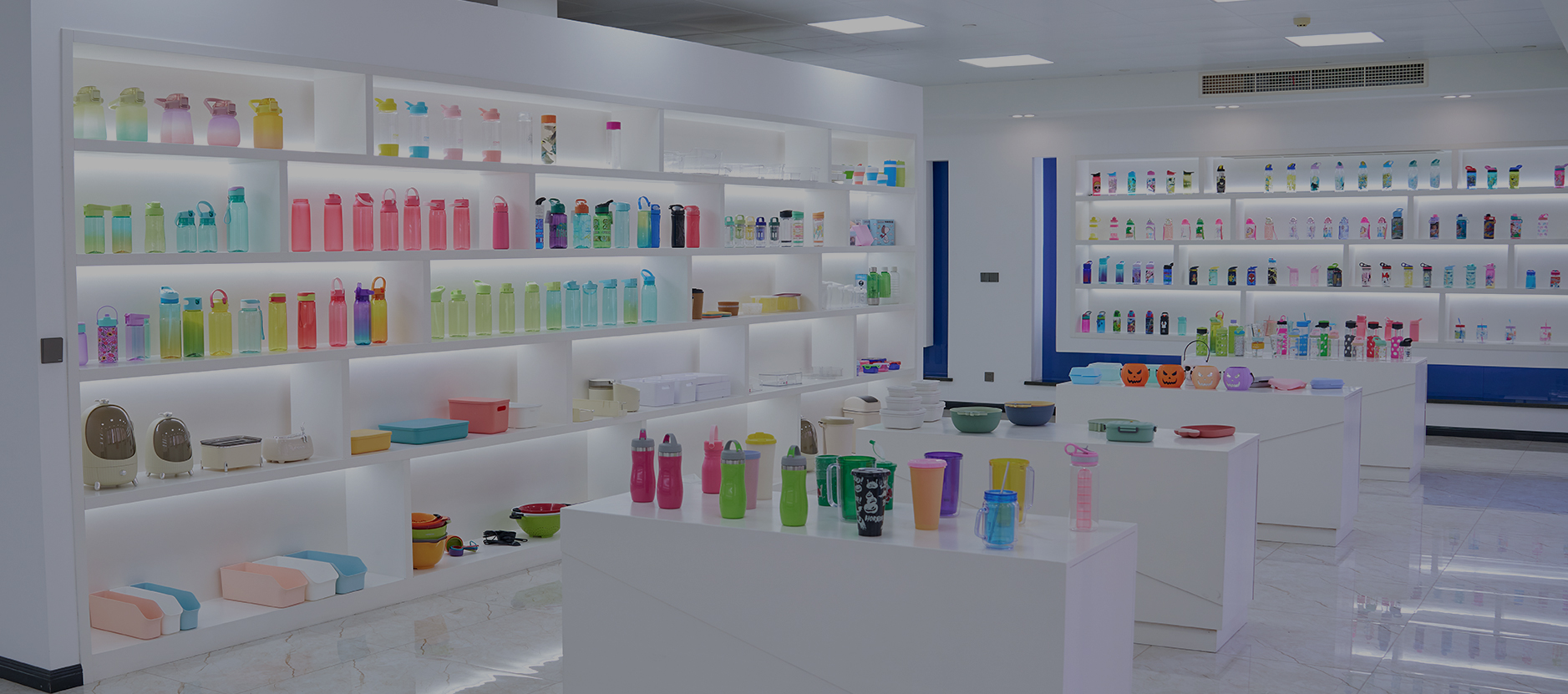
Established in 1995, Zhejiang Huangyan Dafu Plastic Co., Ltd. is a professional manufacturer of plastic products integrating R&D, production, and sales, specializing in the production and export of daily necessities such as plastic water cups and lunch boxes. The company covers an area of ​​15,729.35 square meters, has 96 employees and over 50 injection molding machines, blow molding machines, and automated production equipment, and is equipped with a professional quality inspection team and mold repair team. The factory has its own heat transfer printing, screen printing, and 3D printing equipment, which can meet diverse customization needs and support OEM, ODM, and mold-opening production.

View More
Widespread Industry
Applications.
Home & Office Use
Ideal for daily household drinking and office desktop water storage. The bottles are lightweight, durable and easy to clean, perfectly suitable for long-term daily use.
Widespread Industry
Applications.
Sports & Outdoor Activities
Featuring leak-proof and portable design with excellent drop resistance, they are great for running, fitness, camping, hiking, road trips and all outdoor hydration scenarios.
Widespread Industry
Applications.
School & Student Use
Made of food-grade, odorless and lightweight materials with shatterproof performance, safe and practical for students’ classroom, boarding and daily campus use.
Widespread Industry
Applications.
Retail & Global Trade
With versatile styles and stable quality that meets international standards, the products are widely applicable for supermarkets, convenience stores and cross-border e-commerce sales worldwide.
Widespread Industry
Applications.
Corporate Gifts
Customizable with logos, patterns and packages, perfect for corporate promotional gifts, exhibition giveaways, staff benefits and brand marketing activities.
Home & Office Use
Sports & Outdoor Activities
School & Student Use
Retail & Global Trade
Corporate Gifts
Our Strengths, Your Competence
Zhejiang Huangyan Dafu Plastic Co., Ltd.
30+ Years Manufacturing Strength
Over 30‑year professional manufacturing experience with mature production technology and stable craftsmanship. We hold BSCI / ISO / SMETA certifications to meet global market supply demands.
View More
Zhejiang Huangyan Dafu Plastic Co., Ltd.
Custom OEM & ODM Solutions
Full customization available for shape, color, logo, packaging and new mold opening to realize your design concepts, supported by fast sampling for your evaluation.
View More
Zhejiang Huangyan Dafu Plastic Co., Ltd.
Safe Food‑Grade Raw Materials
BPA‑free food‑grade materials, harmless for drinking, fully compliant with international food‑contact safety standards.
View More
Zhejiang Huangyan Dafu Plastic Co., Ltd.
Reliable Order Fulfilment
Reasonable production scheduling and strict progress control to ensure on‑time delivery for your orders.
View More
  • Temperature retention is an important specification in insulated drinkware purchasing. A tumbler advertised as keeping beverages hot for 12 hours or cold for 24 hours may attract attention, but these figures do not tell buyers everything about its actual performance. Differences in testing conditions, filling volume, lid construction, and measurement methods can produce different results, even among products with similar appearances. At Dafu, we believe thermal performance should be supported by clear testing records rather than marketing figures alone. A Double-Wall Vacuum Tumbler should be evaluated through its construction, insulation performance, and consistency across production batches. Buyers need a reliable basis for comparing supplier quotations and confirming product specifications before placing wholesale orders. Why Temperature Retention Figures Need Supporting Evidence A statement such as "keeps drinks hot for 12 hours" is incomplete without information about how the result was obtained. Different laboratories or manufacturers may use different starting temperatures, ambient conditions, and evaluation periods. Several details should accompany a thermal performance claim: Initial liquid temperature: Record the starting temperature before the test begins. Ambient temperature: Specify the surrounding room temperature during testing. Filling volume: Identify the actual water volume used for each tumbler capacity. Test duration: Define the measurement intervals and final evaluation point. Endpoint temperature: State the temperature used to determine whether the retention requirement has been achieved. For example, a 600 ml tumbler tested with water initially heated to 95°C under controlled room conditions cannot be directly compared with another sample tested using 80°C water in a different environment. The test records need to be reviewed together before buyers make a purchasing decision. How Does Double-Wall Construction Affect Insulation? Vacuum insulation relies on two walls separated by an evacuated space. Reducing the air inside this cavity limits heat transfer through conduction and convection. However, the vacuum layer is only part of the complete thermal structure. Other construction details deserve attention: Inner and outer wall construction: Stainless steel thickness and forming quality affect the structural design. Vacuum cavity: The condition and consistency of the evacuated space influence insulation performance. Neck and base connections: These areas require appropriate structural design to control heat transfer. Surface coating: Exterior finishes affect appearance and should remain consistent with the approved sample. Buyers should also remember that a vacuum-insulated body does not eliminate every possible heat-transfer path. The lid, drinking opening, and connection areas can influence the overall result. Does the Lid Change the Temperature Retention Result? Yes. Lid construction can influence how quickly heat escapes from the drinking opening. A tumbler with a tightly fitted lid may perform differently from the same body tested with a straw lid or an open drinking port. During product specification confirmation, we recommend checking: Lid material and overall construction. Silicone gasket position and fitting condition. Drinking opening dimensions and closure design. Whether the thermal test includes the actual supplied lid. For wholesale projects, the test configuration should match the product configuration being purchased. A test result obtained from a sealed screw lid should not automatically be applied to a different straw-lid version. What Should Buyers Request from a Tumbler Manufacturer? Before approving a thermal performance claim, buyers should request documentation that connects the stated result with the exact product model. This makes supplier comparisons more meaningful and gives both parties a common quality reference. Our recommended purchasing checklist includes: Model-specific test reports: Confirm that the tested capacity and construction match the quoted item. Temperature records: Request readings at defined intervals rather than a single final figure. Testing method: Check whether an established procedure, such as EN 12546-1 for applicable insulated containers, has been used. Sample verification: Compare the approved sample with the documented performance requirements. Production inspection: Establish appropriate checks for vacuum integrity, appearance, and assembly quality. Thermal testing should also distinguish hot and cold retention requirements. These tests involve different starting conditions and evaluation criteria, so one result cannot represent both performance categories. How Dafu Approaches Thermal Performance Requirements At Dafu, we understand that importers, distributors, and private-label brands need clear product specifications before making purchasing commitments. Thermal retention is only one part of the evaluation process, alongside capacity, stainless steel construction, lid options, exterior finishing, and customization requirements. To help clarify a drinkware project, buyers can provide: Required tumbler capacity, such as 20 oz, 30 oz, or 40 oz. Preferred inner and outer body materials. Target hot and cold retention requirements. Lid style and accessory configuration. Applicable testing standards and destination-market requirements. These details help us clarify the requested product configuration and discuss suitable sampling and quality verification arrangements. Buyers can also establish acceptance criteria before production to make inspection expectations easier to communicate. Make Thermal Performance a Verifiable Purchasing Specification A temperature retention number is useful only when its testing conditions and supporting evidence are clear. Buyers should examine the complete insulated structure, lid configuration, test methodology, and model-specific results rather than relying on a single figure printed in a product catalogue. Dafu welcomes inquiries from international wholesalers, drinkware distributors, and private-label brands. Contact our team with your capacity requirements and thermal performance expectations to discuss insulated tumbler specifications, customization options, and product evaluation arrangements. Clear technical requirements provide a practical foundation for building a consistent drinkware supply program.

    View More
  • Retail drinkware collections often compete for attention through color, shape, logo placement, and decorative finishes. However, surface texture can also influence how customers recognize and remember a product. A tumbler with raised geometric patterns, subtle grooves, or embossed details can create a different visual impression from a conventional smooth-body design, even when both products share similar dimensions and colors. At Dafu, we consider surface texture an important part of customized drinkware development. A Patterned Texture Tumbler can support a brand's visual identity through its surface structure, while also creating opportunities for distinctive retail collections. Buyers should evaluate more than the pattern itself. Its relationship with logo decoration, product colors, packaging, and manufacturing consistency deserves attention during the purchasing process. How Surface Patterns Influence Retail Recognition A recognizable product design does not always depend on a large printed logo. The physical structure of a tumbler can provide visual cues that distinguish one collection from another. Several texture styles offer different design possibilities: Geometric patterns: Diamond shapes, hexagons, and repeated angular details create a structured appearance suitable for modern retail collections. Vertical grooves: Repeated lines add visual height and give the tumbler body a more defined appearance. Embossed details: Raised patterns provide a three-dimensional surface that can become a recognizable design feature. Subtle textured finishes: Fine surface details create a restrained appearance for brands that prefer understated decoration. For retailers, the important consideration is whether the selected pattern fits the overall brand identity. A playful geometric surface may suit gift collections, while regular grooves or restrained embossed details may work better for office and everyday drinkware ranges. Does Texture Change the Way Customers Evaluate a Tumbler? Surface design influences both visual presentation and the physical experience of handling drinkware. A raised pattern creates differences in light reflection and shadow, making the body look different under retail lighting. It can also change how the tumbler feels during handling. Buyers should consider three aspects: Visual depth: Pattern height and spacing influence how clearly the design appears under different lighting conditions. Grip characteristics: Certain molded patterns provide additional contact points for the fingers. Actual grip performance depends on material, geometry, and surface finish. Appearance consistency: Uneven pattern depth or inconsistent surface finishing can make products within the same collection look different. At Dafu, we recommend reviewing the physical sample under both direct and ordinary indoor lighting. Product photographs alone may not accurately represent pattern depth, surface reflection, or tactile characteristics. Logo Placement Requires Coordination with Pattern Design One purchasing issue deserves particular attention: textured surfaces can affect the available area for brand decoration. A logo printed across deep grooves or raised geometric details may have uneven edges or reduced visual clarity. Several approaches can help coordinate branding with surface patterns: Reserved smooth areas: A flat section can provide a more consistent surface for logo printing. Contrasting decoration: Color differences between the logo and tumbler body can improve visual separation. Smaller logo dimensions: Compact artwork may fit better within a limited decoration area. Integrated pattern concepts: Repeated graphic elements can be incorporated into the overall surface design rather than competing with the brand mark. Screen printing, transfer printing, and other decoration processes have different surface requirements. The appropriate method depends on the tumbler material, coating, pattern geometry, and artwork. We suggest confirming logo position and decoration results during sample approval instead of relying exclusively on digital mockups. What Should Buyers Check Before Approving a Textured Tumbler? A distinctive appearance needs to remain consistent across the approved sample and subsequent production batches. Buyers developing private-label drinkware should establish measurable inspection points. Our suggested review includes: Pattern dimensions: Check groove width, pattern spacing, raised height, and alignment. Surface finishing: Review coating uniformity, color appearance, and visible surface defects. Logo quality: Examine printing position, edge definition, color matching, and adhesion according to the selected process. Handling comfort: Evaluate whether the pattern feels comfortable during ordinary use. Cleaning access: Check whether recessed areas collect residue and whether the surface can be cleaned conveniently. Buyers should also confirm whether the pattern is molded into the tumbler body or created through a separate surface treatment. These production approaches involve different tooling, finishing, and quality inspection considerations. How Dafu Supports Customized Textured Drinkware Projects At Dafu, we understand that wholesalers, importers, and private-label brands may have different expectations for product appearance and market positioning. Some projects require a distinctive geometric pattern, while others focus on subtle surface details that complement an existing brand identity. To help clarify customization requirements, we recommend providing the following information: Reference images or drawings showing the intended surface pattern. Preferred tumbler capacity, dimensions, and material. Body color, surface finish, and pattern specifications. Logo artwork, decoration position, and color requirements. Packaging preferences and target retail market. These details allow our team to assess the relationship between surface design, decoration requirements, and production arrangements. Sample evaluation can then provide a clearer reference for confirming the final appearance and quality expectations. Turning Surface Design into a Recognizable Brand Feature Texture can give drinkware a visual and tactile identity beyond its basic shape and color. However, a successful retail design requires coordination between pattern geometry, logo placement, material selection, finishing, and production quality. At Dafu, we welcome inquiries from drinkware distributors, retailers, and brands interested in customized tumbler designs. Share your preferred pattern references and branding requirements with our team to discuss suitable product configurations and sampling options. A clearly defined surface design can become a consistent visual element across an entire drinkware collection.

    View More
  • Drinkware buyers often pay close attention to tumbler capacity, exterior colors, materials, and branding options. However, another detail deserves equal attention during product development: the compatibility between the tumbler body, lid, and straw assembly. A cup may have an attractive appearance and suitable capacity, yet mismatched components can create problems during assembly, packaging, and everyday use. At Dafu, we consider lid compatibility an important part of Straw Water Tumbler development and manufacturing. Different tumbler designs may share a similar appearance without having interchangeable lids. Differences in rim diameter, opening structure, gasket position, and straw dimensions can affect how individual components work together. Buyers planning wholesale orders or customized drinkware collections should establish these specifications before confirming production details. Why Lid Compatibility Deserves More Attention in Tumbler Purchasing A tumbler lid is not simply a decorative accessory. It connects several functional components and determines how the drinking opening, sealing structure, and straw work together. A small dimensional difference may affect the assembly result, even when two lids appear almost identical. Several purchasing situations make compatibility particularly important: Multiple capacity options: A product collection may include 20 oz, 30 oz, and 40 oz tumblers. These sizes can require different lid dimensions and straw lengths. Replacement accessory planning: Distributors may need separate lids, silicone seals, and straws for after-sales orders. Unclear component references make inventory management more complicated. Customized product collections: Different lid colors, drinking openings, and straw styles may be requested under one brand. Each combination needs a compatibility check. Retail packaging requirements: A complete drinking set should contain the correct lid and straw combination. Incorrect accessory matching can create complaints after delivery. At Dafu, we recommend treating the tumbler body and its lid assembly as a coordinated product system rather than independent purchasing items. This approach gives buyers a clearer basis for reviewing samples, confirming specifications, and arranging repeat orders. Which Dimensions Determine Whether a Tumbler Lid Fits? Visual similarity does not establish dimensional compatibility. The lid must match the actual structure of the tumbler opening, and its related components must work within the same assembly. 1. Rim Diameter and Opening Geometry The upper rim is the main connection point between the tumbler body and lid. Its outside diameter, inside diameter, thickness, and overall profile influence the fitting structure. Common lid designs include press-fit and threaded constructions. A press-fit lid relies on dimensional engagement and, depending on the design, a sealing ring. A threaded version requires matching thread diameter, pitch, and engagement depth. During specification confirmation, we recommend recording: Outer and inner rim diameters in millimeters. Rim thickness and contact surface profile. Lid engagement depth and fitting method. Thread specifications for screw-on designs. For example, a buyer developing a 90 mm opening should confirm whether the measurement refers to the inner opening or outer rim. These measurements serve different purposes and should not be treated as interchangeable references. 2. Straw Opening and Diameter Matching The straw opening is another important specification. Its diameter needs to accommodate the selected straw without creating excessive movement or making insertion difficult. Different drinking applications may require different straw dimensions. A narrow straw can suit ordinary water consumption, while a wider passage may be requested for thicker beverages such as smoothies or milkshakes. Our product development considerations include: Straw outer diameter: The opening should provide suitable clearance for insertion and removal. Straw length: The lower end should reach the intended drinking area without being excessively long or interfering with the lid. Straw opening position: Its location should support comfortable drinking and avoid interference with other lid components. Straw retention: A silicone insert or integrated port may be used to hold the straw in position, depending on the design. These details become particularly relevant in customized orders involving different straw materials, colors, and drinking requirements. How Do Lid Seals Affect Product Specifications? A compatible lid also needs an appropriate sealing arrangement. The connection between the lid and tumbler body is different from the connection around the straw opening. Both areas should receive attention during product approval. Body-to-Lid Sealing A silicone gasket is commonly used between the lid and tumbler rim. Its profile, thickness, hardness, and installation position influence compression and contact with the mating surface. Buyers should discuss the following details with their manufacturing partner: Silicone gasket material and specified hardness. Gasket cross-section and dimensional tolerance. Whether the gasket is removable or permanently integrated. Whether the gasket can be supplied separately as a replacement component. Straw-Port Sealing The straw opening may use a flexible silicone insert to reduce movement around the straw. This structure requires a suitable relationship between the straw diameter and the opening dimensions. Buyers should also distinguish between splash-resistant and leakproof designs. An open straw passage does not automatically provide complete leak protection, particularly during transport or when the tumbler is tilted. Product descriptions and packaging claims should reflect the actual construction and verified test results. At Dafu, we encourage buyers to define their expected usage conditions before confirming the lid structure. Requirements for desk use, vehicle travel, outdoor activities, and children's drinkware may involve different closure and sealing considerations. Material Choices Can Change the Lid and Straw Combination Material selection affects the appearance, flexibility, durability, and manufacturing requirements of individual components. Buyers should review the entire assembly rather than approving each material separately. Common material options include: PP (Polypropylene): Frequently used for molded lids and drinking accessories. Its relatively lightweight structure supports different colors and molded shapes. Tritan copolyester: Often used for transparent or translucent lid components and rigid straws. It allows consumers to see the internal drinking structure. Silicone: Suitable for flexible gaskets, straw inserts, and protective components. Its flexibility supports sealing and component retention. Stainless steel: Available for rigid reusable straw designs. Buyers should check its diameter, length, edge finishing, and compatibility with the lid opening. Material documentation should cover the actual components that contact beverages. Buyers serving different international markets may also need relevant food-contact test reports and declarations according to their destination-market requirements. Can One Lid Design Serve Multiple Tumbler Sizes? Standardizing lid designs across a product collection can simplify accessory planning, but this approach depends on the actual dimensions and construction of each tumbler model. A shared lid platform may be practical under certain conditions: Several tumbler models have matching rim dimensions and engagement structures. The lid opening and gasket arrangement remain suitable across the approved models. The selected straw length can accommodate the different internal body heights, or separate straw specifications are available. The lid design does not interfere with handles, carrying accessories, or other external components. However, a 30 oz tumbler and a 40 oz tumbler should not automatically be assigned the same lid simply because they belong to one product family. Even a small difference in opening geometry may prevent proper fitting. Our recommendation is to establish a compatibility matrix before expanding a product collection. This document can identify which lid, gasket, and straw references correspond to each tumbler model. It also provides purchasing and quality teams with a consistent reference for subsequent orders. What Should Buyers Include in a Straw Tumbler Sample Review? A product photograph can communicate general appearance, but it cannot confirm whether the components fit and function correctly. Physical sample evaluation gives buyers an opportunity to identify dimensional or assembly issues before approving the production specification. We suggest organizing the sample review around several practical checkpoints: 1. Physical Fitting Test Install the lid onto the intended tumbler body and check whether it sits evenly around the rim. Look for visible gaps, uneven engagement, excessive movement, or difficulty during removal. 2. Straw Installation Test Insert the specified straw through its designated opening. Check whether it can move appropriately, remains positioned during ordinary use, and reaches the intended drinking area. 3. Seal and Spill Assessment Inspect the body-to-lid gasket and straw-port seal. Conduct agreed water-holding and spill tests under defined conditions. Record the test orientation, duration, and acceptance criteria rather than relying on an informal visual assessment. 4. Repeated Assembly Evaluation Open and close the lid repeatedly to observe whether the fitting structure changes during normal handling. Inspect gasket displacement, deformation, and any noticeable change in closure resistance. 5. Accessory and Packaging Verification Confirm that the approved straw, lid, gasket, and any additional accessories are included in the correct combination. Check individual packaging labels and product references to reduce the possibility of mixed components during order fulfillment. How Dafu Approaches Compatibility Requirements for Wholesale Orders At Dafu, we understand that drinkware buyers may have different requirements depending on their sales channels, target markets, and product positioning. A retailer developing a coordinated tumbler collection may prioritize color consistency and accessory combinations, while a distributor may pay closer attention to replacement-part references and inventory arrangements. Our approach is to clarify the technical and commercial requirements before finalizing product details. Specification confirmation: We review the requested tumbler capacity, opening dimensions, lid construction, straw material, and accessory requirements. Sample coordination: The proposed body and lid combination should be evaluated together rather than approved through separate component photographs. Customization discussion: Buyers can communicate their preferred lid colors, straw styles, component materials, and branding requirements for project assessment. Quality inspection: Relevant dimensional measurements, assembly condition, accessory matching, and agreed functional checks should be included in the inspection plan. Order documentation: Approved component references and specifications provide a basis for production confirmation and subsequent purchasing arrangements. Providing a complete product brief can make communication more straightforward. Useful information includes target capacity, tumbler opening measurements, preferred lid style, straw dimensions, material requirements, customization details, and expected sales-market standards. Final Considerations Before Confirming a Tumbler Order Lid compatibility is a technical purchasing detail with commercial implications. A mismatch between the body, lid, gasket, and straw can affect assembly, customer experience, accessory replacement, and product consistency across a retail collection. Rather than evaluating the tumbler by appearance and capacity alone, buyers should establish a complete component specification and verify the assembled sample. Particular attention should go to rim geometry, straw diameter, gasket placement, closure construction, and replacement-part identification. Dafu welcomes inquiries from importers, wholesalers, retailers, and brands looking for drinkware manufacturing and customization support. Share your target tumbler specifications and preferred lid configuration with our team. We can discuss suitable component combinations, sample requirements, and production details to help establish a clear purchasing plan for your next drinkware project.

    View More