 English
 中文简体
 Español
 Deutsch
+86 151 5760 7665

Nov 06, 2026
Drinkware buyers often pay close attention to tumbler capacity, exterior colors, materials, and branding options. However, another detail deserves equal attention during product development: the compatibility between the tumbler body, lid, and straw assembly. A cup may have an attractive appearance and suitable capacity, yet mismatched components can create problems during assembly, packaging, and everyday use.
At Dafu, we consider lid compatibility an important part of Straw Water Tumbler development and manufacturing. Different tumbler designs may share a similar appearance without having interchangeable lids. Differences in rim diameter, opening structure, gasket position, and straw dimensions can affect how individual components work together. Buyers planning wholesale orders or customized drinkware collections should establish these specifications before confirming production details.
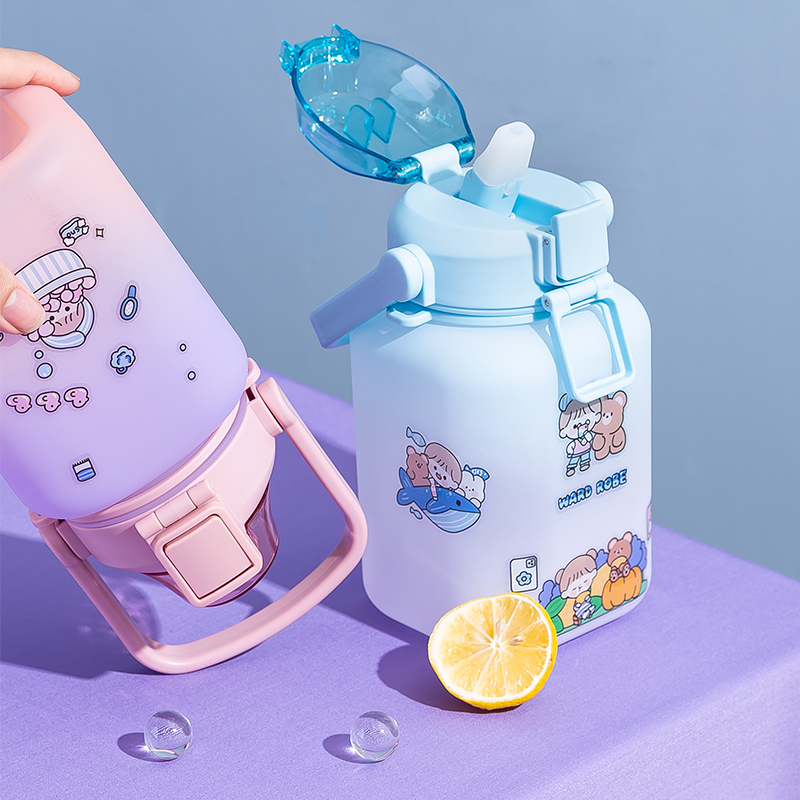
A tumbler lid is not simply a decorative accessory. It connects several functional components and determines how the drinking opening, sealing structure, and straw work together. A small dimensional difference may affect the assembly result, even when two lids appear almost identical.
Several purchasing situations make compatibility particularly important:
At Dafu, we recommend treating the tumbler body and its lid assembly as a coordinated product system rather than independent purchasing items. This approach gives buyers a clearer basis for reviewing samples, confirming specifications, and arranging repeat orders.
Visual similarity does not establish dimensional compatibility. The lid must match the actual structure of the tumbler opening, and its related components must work within the same assembly.
The upper rim is the main connection point between the tumbler body and lid. Its outside diameter, inside diameter, thickness, and overall profile influence the fitting structure.
Common lid designs include press-fit and threaded constructions. A press-fit lid relies on dimensional engagement and, depending on the design, a sealing ring. A threaded version requires matching thread diameter, pitch, and engagement depth.
During specification confirmation, we recommend recording:
For example, a buyer developing a 90 mm opening should confirm whether the measurement refers to the inner opening or outer rim. These measurements serve different purposes and should not be treated as interchangeable references.
The straw opening is another important specification. Its diameter needs to accommodate the selected straw without creating excessive movement or making insertion difficult.
Different drinking applications may require different straw dimensions. A narrow straw can suit ordinary water consumption, while a wider passage may be requested for thicker beverages such as smoothies or milkshakes.
Our product development considerations include:
These details become particularly relevant in customized orders involving different straw materials, colors, and drinking requirements.
A compatible lid also needs an appropriate sealing arrangement. The connection between the lid and tumbler body is different from the connection around the straw opening. Both areas should receive attention during product approval.
A silicone gasket is commonly used between the lid and tumbler rim. Its profile, thickness, hardness, and installation position influence compression and contact with the mating surface.
Buyers should discuss the following details with their manufacturing partner:
The straw opening may use a flexible silicone insert to reduce movement around the straw. This structure requires a suitable relationship between the straw diameter and the opening dimensions.
Buyers should also distinguish between splash-resistant and leakproof designs. An open straw passage does not automatically provide complete leak protection, particularly during transport or when the tumbler is tilted. Product descriptions and packaging claims should reflect the actual construction and verified test results.
At Dafu, we encourage buyers to define their expected usage conditions before confirming the lid structure. Requirements for desk use, vehicle travel, outdoor activities, and children's drinkware may involve different closure and sealing considerations.
Material selection affects the appearance, flexibility, durability, and manufacturing requirements of individual components. Buyers should review the entire assembly rather than approving each material separately.
Common material options include:
Material documentation should cover the actual components that contact beverages. Buyers serving different international markets may also need relevant food-contact test reports and declarations according to their destination-market requirements.
Standardizing lid designs across a product collection can simplify accessory planning, but this approach depends on the actual dimensions and construction of each tumbler model.
A shared lid platform may be practical under certain conditions:
However, a 30 oz tumbler and a 40 oz tumbler should not automatically be assigned the same lid simply because they belong to one product family. Even a small difference in opening geometry may prevent proper fitting.
Our recommendation is to establish a compatibility matrix before expanding a product collection. This document can identify which lid, gasket, and straw references correspond to each tumbler model. It also provides purchasing and quality teams with a consistent reference for subsequent orders.
A product photograph can communicate general appearance, but it cannot confirm whether the components fit and function correctly. Physical sample evaluation gives buyers an opportunity to identify dimensional or assembly issues before approving the production specification.
We suggest organizing the sample review around several practical checkpoints:
Install the lid onto the intended tumbler body and check whether it sits evenly around the rim. Look for visible gaps, uneven engagement, excessive movement, or difficulty during removal.
Insert the specified straw through its designated opening. Check whether it can move appropriately, remains positioned during ordinary use, and reaches the intended drinking area.
Inspect the body-to-lid gasket and straw-port seal. Conduct agreed water-holding and spill tests under defined conditions. Record the test orientation, duration, and acceptance criteria rather than relying on an informal visual assessment.
Open and close the lid repeatedly to observe whether the fitting structure changes during normal handling. Inspect gasket displacement, deformation, and any noticeable change in closure resistance.
Confirm that the approved straw, lid, gasket, and any additional accessories are included in the correct combination. Check individual packaging labels and product references to reduce the possibility of mixed components during order fulfillment.
At Dafu, we understand that drinkware buyers may have different requirements depending on their sales channels, target markets, and product positioning. A retailer developing a coordinated tumbler collection may prioritize color consistency and accessory combinations, while a distributor may pay closer attention to replacement-part references and inventory arrangements.
Our approach is to clarify the technical and commercial requirements before finalizing product details.
Providing a complete product brief can make communication more straightforward. Useful information includes target capacity, tumbler opening measurements, preferred lid style, straw dimensions, material requirements, customization details, and expected sales-market standards.
Lid compatibility is a technical purchasing detail with commercial implications. A mismatch between the body, lid, gasket, and straw can affect assembly, customer experience, accessory replacement, and product consistency across a retail collection.
Rather than evaluating the tumbler by appearance and capacity alone, buyers should establish a complete component specification and verify the assembled sample. Particular attention should go to rim geometry, straw diameter, gasket placement, closure construction, and replacement-part identification.
Dafu welcomes inquiries from importers, wholesalers, retailers, and brands looking for drinkware manufacturing and customization support. Share your target tumbler specifications and preferred lid configuration with our team. We can discuss suitable component combinations, sample requirements, and production details to help establish a clear purchasing plan for your next drinkware project.
Get In Touch
+86 151 5760 7665
sales6@zjdafu.com
+86 576 8421 3288

Address:
No. 135 Changning Road, Beiyang Town, Huangyan District, Taizhou City, Zhejiang Province, China.
